Implementing automated business management software and structured systems is essential to transition from daily operations to strategic growth.
5 Critical Operational Gaps Killing Nigerian SMEs (And How to Close Them)

Can your business survive one full week without you? Not "manage." Survive.
If the honest answer is no, your business isn't struggling because the market is hard. It's struggling because of five operational gaps quietly working against you and none of them are about how hard you work.
Gap 1: You Are the Business
If nobody on your team can function without you standing over their shoulder, that's not leadership, it's a single point of failure. Nigerian research backs this up starkly: a study on SME survival found that the owner's absence has a statistically significant effect on whether the business survives at all, and that poor organizational structure not market conditions, is a major driver of failure – FUNAAB, "Effect of Owner's Demise on SME Survival in Nigeria" A business that only runs when you're in the room isn't a business yet. It's a job you've trapped yourself in.
Gap 2: Your Finances Are Guesswork
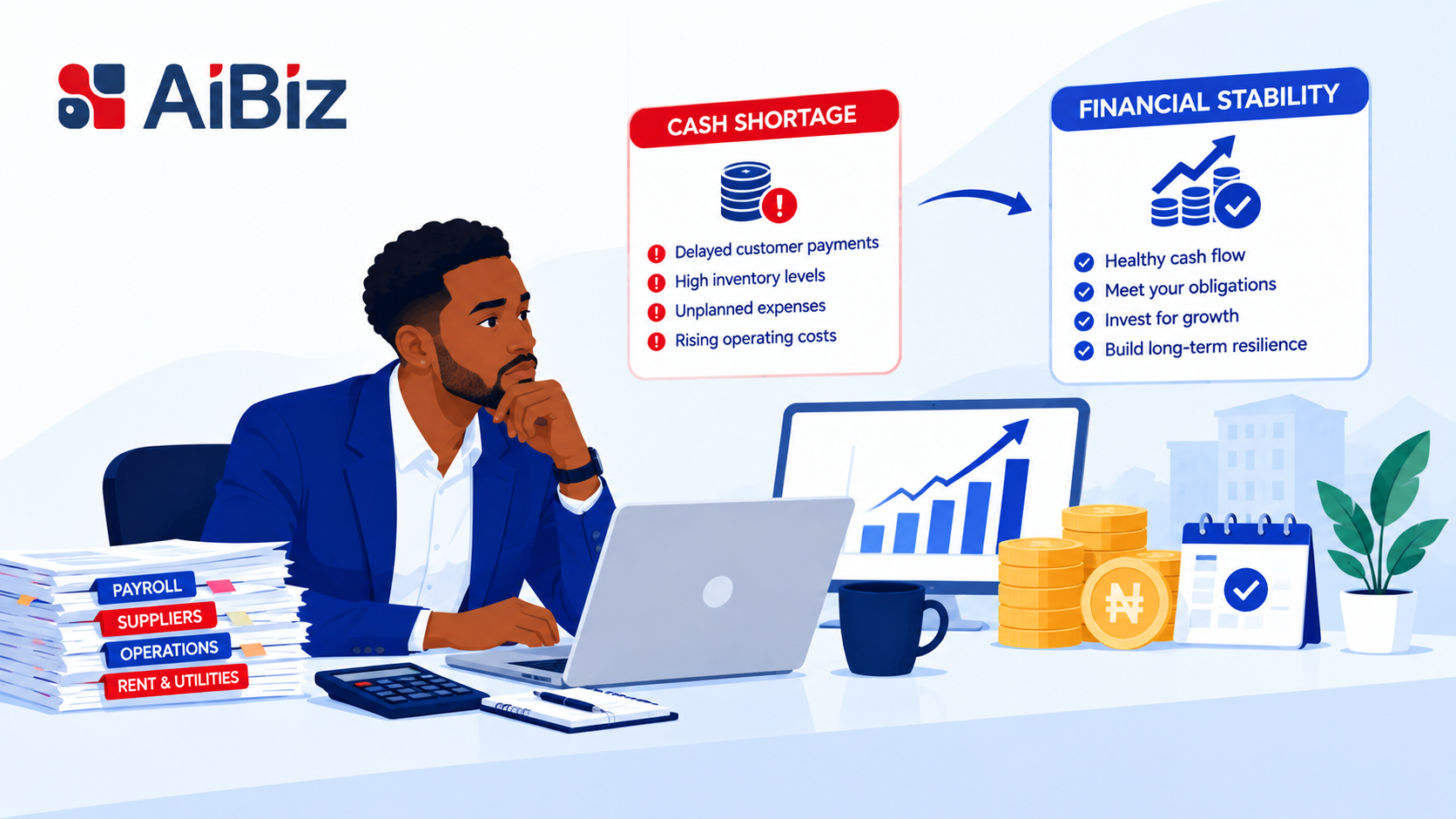
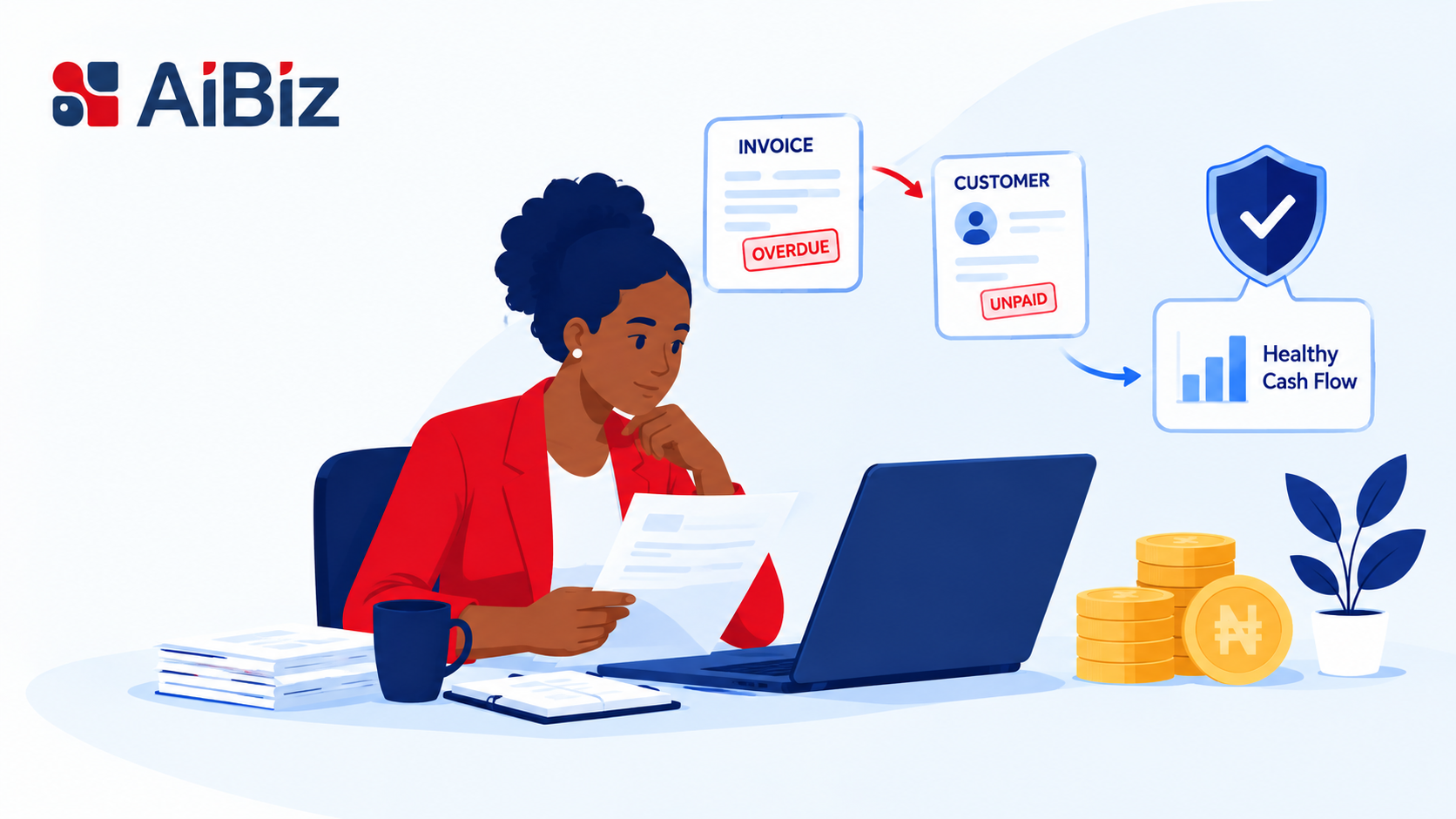
Spending before tracking is how "profitable on paper" businesses still run out of cash. Research on African SME failure points to exactly this pattern: owners who don't understand their real unit economics, or who have money sitting in unpaid trade credit while believing they're in profit – MOHAC Africa, "Failure Rate of SME in Africa" Month-end shock isn't bad luck, it's the predictable result of not tracking as you go.
Gap 3: Power Costs Are Quietly Eating Your Margin
Nigeria's power situation isn't news, but the scale of what it costs SMEs might be: the African Development Bank's 2026 outlook found that 70.7% of Nigerian firms own or share a generator, and outages alone cost businesses roughly 3% of annual sales – AfDB, "2026 African Economic Outlook", Without data showing exactly where that spend goes, you can't cut it, you can only absorb it.
Gap 4: Your Best Staff Are Leaving
When only the loudest voice gets noticed, quiet high performers walk. Research on Nigerian SMEs found employee turnover strikingly high, with most employees leaving within a year of joining – ScienceDirect, "Extent of Employee Turnover in Nigerian SMEs" and separate research ties this directly to a lack of recognition and reward systems – ResearchGate, "Employee Retention Practices and the Performance of SMEs in Nigeria" No system to reward performance means you're training your competitors' next best hire.
Gap 5: You're Still Tracking Everything by Hand
Sales in one notebook, stock in your head, customers in memory. This is the most expensive gap because it touches all the others, you can't fix guesswork finances or reward top performers on data you don't have. It's also the most fixable.
Closing All Five Gaps — In One Place
Each of these gaps looks different, but they share one root cause: no system that runs the business when you're not physically watching it. That's the exact problem AiBiz was built to solve, real-time sales tracking, inventory control, and reporting your team can use without you, accessible right from your phone, so the business runs on data instead of your presence alone.
Stop losing money you cannot see.
Start your 14-day free trial today. No credit card required. 👉 aibizglobal.com