Gaining visibility in business is becoming a competitive advantage. Why modern expense management is essential for business growth and how AiBiz helps businesses track and scale.
The Hidden Cost Draining Nigerian SMEs Isn't Inflation — It's Untracked Expenses
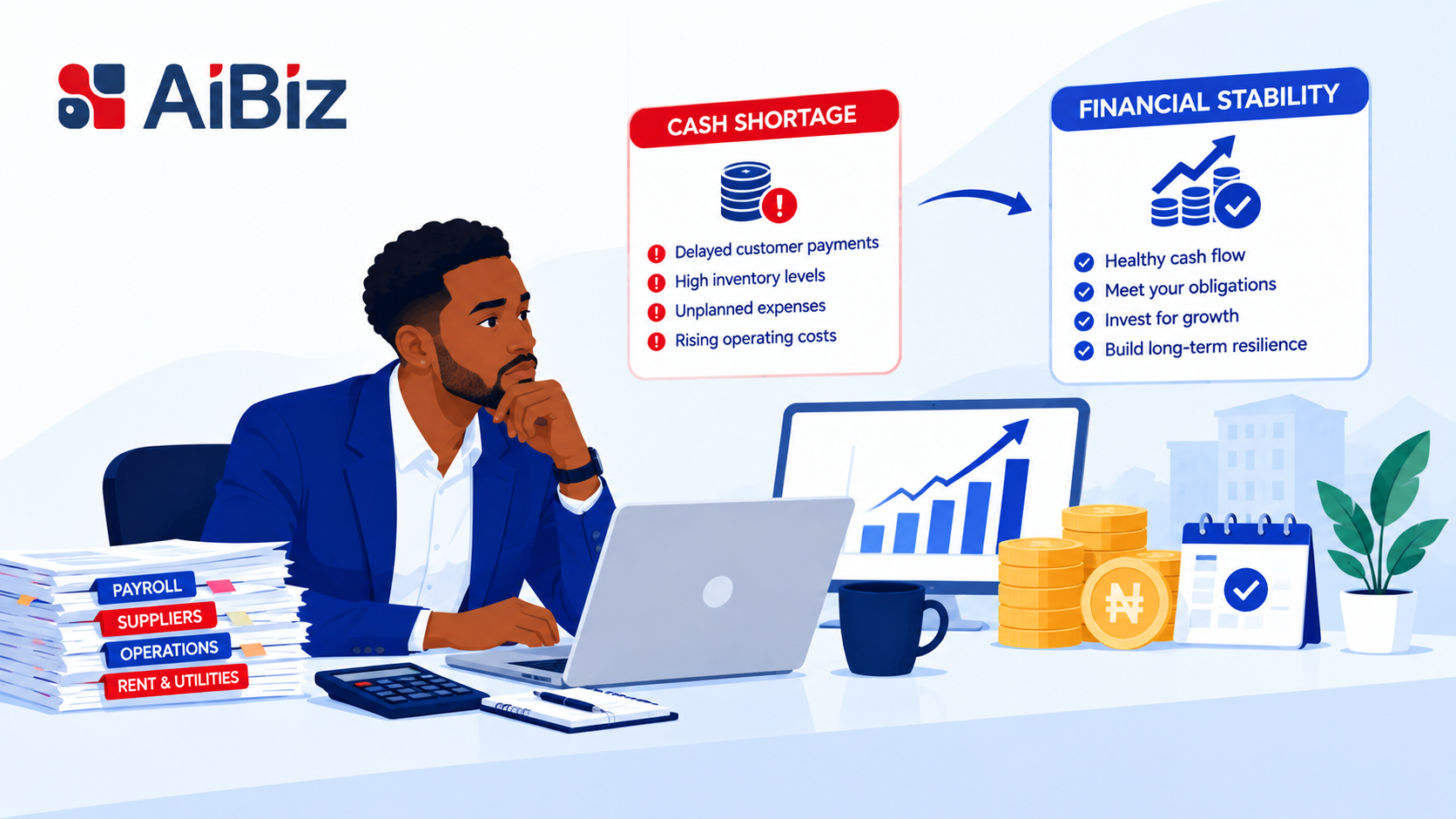
Every Nigerian business owner knows the obvious costs of doing business today: diesel, transport, electricity, logistics, rent, and rising supplier prices.
But there's another cost that rarely makes it into financial discussions.
The money businesses can't properly account for.
Think about it.
A driver buys fuel on the road.
A procurement officer pays cash to a market vendor.
A technician purchases replacement parts.
A field marketer spends money on customer activation.
Each expense may be legitimate. The problem is that, in many SMEs, those transactions are still tracked through paper receipts, WhatsApp messages, handwritten notebooks, or verbal explanations.
By month-end, management isn't just reconciling expenses, they're trying to reconstruct them.
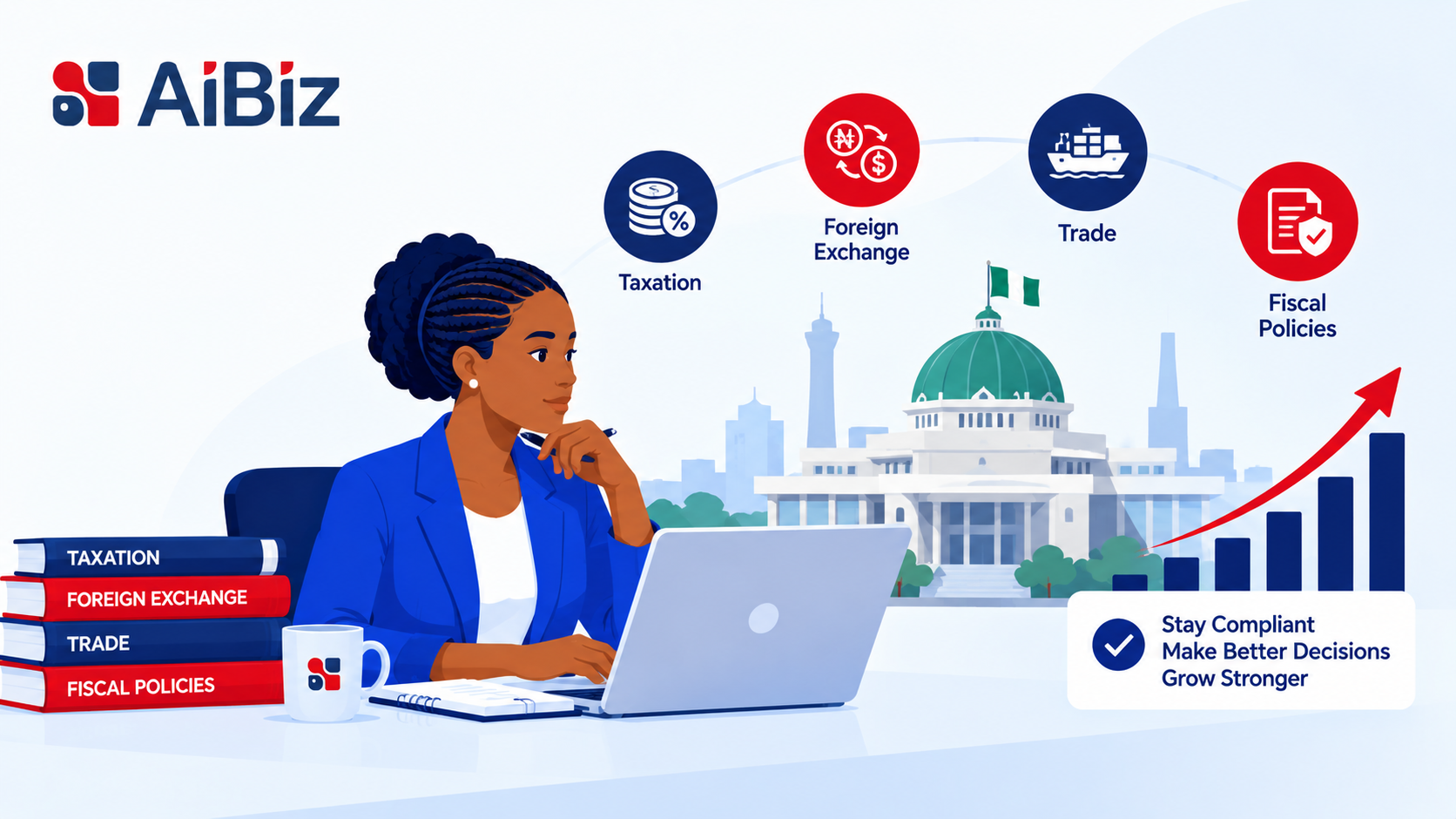
That approach is becoming increasingly risky in Nigeria's business environment.
According to the Central Bank of Nigeria's May 2025 Inflation Expectations Survey, 90.8% of Nigerian firms identified fuel, diesel and electricity costs as the biggest drivers of inflation, while 75.1% of businesses expected their operating expenses to increase further.
When operating costs are rising this quickly, every unverified expense matters.
BusinessDay also reported that Nigeria's leading consumer goods companies recorded a 48% year-on-year increase in production and operating costs, driven by inflation, exchange-rate volatility and higher input prices.
For large corporations, stronger finance teams and digital systems help absorb these pressures.
For SMEs, however, a missing receipt, an unrecorded fuel purchase, or undocumented market procurement can quietly erode already thin profit margins.
This is why expense management is changing.
It's no longer enough to know how much your business spent.
You also need to know who spent it, what it was spent on, where it happened, when it happened, and whether there is evidence to support it.
That level of visibility transforms expense management from an accounting task into a business management strategy.
This is where AiBiz Expense Management becomes more than just software.
AiBiz enables businesses to record expenses in real time, attach receipts or invoices, identify the employee responsible for each transaction, monitor spending across branches or field teams, and generate instant reports for management.
Instead of chasing paperwork at the end of the month, business owners gain a single source of truth for operational spending.
In today's economy, where costs continue to rise and every naira counts, the businesses that scale won't necessarily be those generating the most revenue.
They'll be the ones with the greatest visibility into where their money goes.
Because you can't control what you can't see and you certainly can't grow what you can't account for.
AiBiz helps Nigerian businesses turn everyday expenses into actionable financial insights, giving business owners the confidence to scale with accountability, transparency, and control.
14 days free. No credit card.aibizglobal.com