Borrowing can provide businesses with the capital they need to manage working capital, purchase inventory, acquire equipment or pursue new opportunities. However, access to funds comes with a cost. Before taking on debt, businesses need to understand why they are borrowing, what the financing will cost, how repayment will affect cash flow, and whether other funding options may be more suitable.
For many businesses, there comes a point when the money generated from day-to-day operations is not enough to meet immediate or planned financial needs. A business may need additional working capital to keep operations running, purchase inventory ahead of increased demand, acquire raw materials, replace equipment, or invest in machinery that can improve production capacity. At such moments, borrowing can provide the funding needed to move the business forward.
However, borrowing is more than simply receiving money from a bank and repaying it later. Every loan comes with a cost, and the decision to borrow should be based on how the funds will be used, how much the borrowing will cost, and whether the expected benefit to the business justifies that cost.
Why Do Businesses Borrow?
The reason behind a loan is one of the first things a business should consider before approaching a lender.
A business may borrow to address a temporary working capital gap, especially when there is a timing difference between paying suppliers and receiving money from customers. A retailer, for example, may need funds to purchase additional inventory before a peak sales period. A manufacturer may require financing to purchase raw materials or acquire machinery that will increase production capacity.
In other situations, borrowing may be used to finance expansion, open a new location, execute a major contract, or take advantage of a business opportunity that requires more capital than the company currently has available.
The important question is not simply, “Can the business get the loan?” but rather, “What will the loan achieve for the business?”
Borrowing to finance an activity that generates sufficient returns or supports sustainable business operations can serve a useful purpose. On the other hand, borrowing to continuously cover operating losses without addressing the underlying problem can create a cycle of debt that becomes increasingly difficult to manage.
The Cost of Borrowing Goes Beyond Interest
One of the most important things a business must understand is that the amount received as a loan is not the total cost of the financing.
Interest is usually the most visible cost, but businesses may also encounter arrangement fees, processing fees, management fees, insurance costs, legal charges, valuation fees, collateral-related expenses and other charges, depending on the lender and type of facility.
This means that a business should look beyond the headline interest rate when comparing financing options. What matters is the overall cost of obtaining and servicing the funds.
The repayment structure also matters. A loan with a seemingly attractive rate may still put significant pressure on cash flow if repayments begin too early or are scheduled too frequently. Businesses therefore need to understand not only how much they will pay, but also when they will have to pay it.
The Interest Rate Environment Matters
The broader economic environment can also influence the cost of borrowing.
Recently, the Central Bank of Nigeria (CBN) reduced the Monetary Policy Rate (MPR) to 23%. Changes in the MPR can influence the broader lending environment and may affect the rates financial institutions offer to customers, although the extent and timing of any impact will depend on several factors, including the type of facility, the borrower's risk profile, the bank's funding costs and prevailing market conditions.
For businesses, this makes it important to pay attention to changes in monetary policy and what they could mean for financing costs. A change in the interest-rate environment can affect both new borrowing decisions and the cost of servicing existing facilities, particularly where financing arrangements have variable or repricing interest rates.
However, a lower policy rate should not automatically be interpreted as a reason to borrow. The fundamental question remains whether the business actually needs the funds and whether it can comfortably service the resulting obligation.
Can the Business Repay the Loan?
Before taking on debt, a business should have a realistic view of its future cash flows.
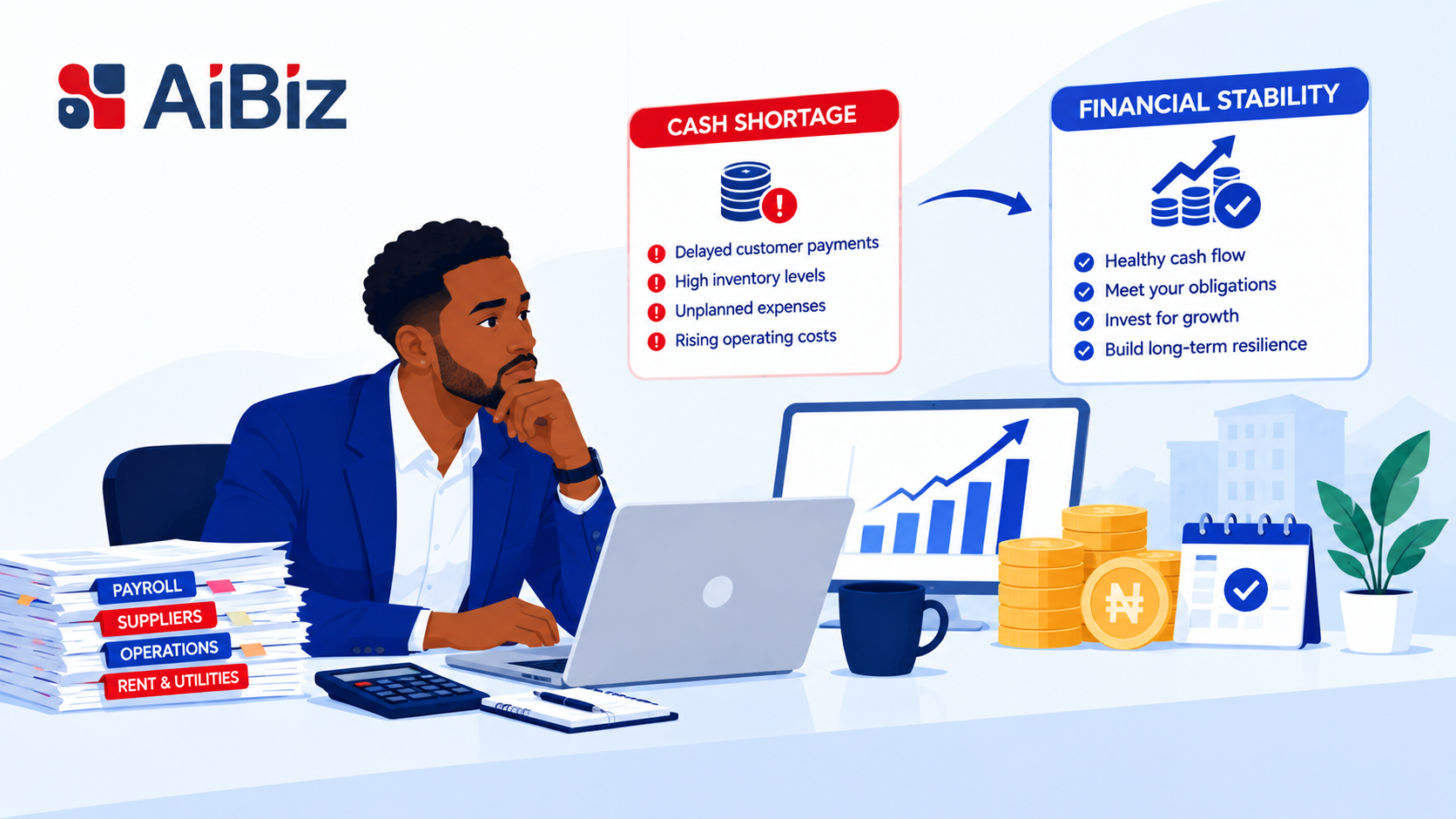
A profitable business can still struggle to repay a loan if its cash is tied up in inventory, receivables or other assets. This is why businesses should consider their expected cash inflows alongside their repayment obligations.
For example, if a company takes a loan to purchase inventory, it should estimate how quickly that inventory is expected to sell and when the resulting cash will be collected. If repayment is due before the business generates enough cash from the investment, the company could face unnecessary financial pressure.
This is also where proper financial records become important. Accurate records can help a business understand its revenue, expenses, receivables, payables, cash position and overall financial performance. Without reliable financial information, determining how much the business can reasonably borrow becomes much more difficult.
Borrowing Is Not the Only Way to Fund a Business
While debt can provide businesses with access to capital without immediately giving up ownership, it is not the only source of funding available.
Businesses can also finance their activities through retained profits, where earnings are reinvested into the business rather than distributed to the owners. Owners may inject additional capital into the business, while growing businesses may seek equity investment from external investors. Depending on the nature and stage of the business, other options may include supplier credit, asset financing, grants, partnerships or strategic investments.
Each source of funding has its own advantages, limitations and implications for the business. Equity financing, for instance, may reduce the pressure of regular loan repayments but could involve sharing ownership or future returns. Retained earnings may not involve financing costs, but relying solely on internal funds can limit the speed at which a business expands.
The right funding decision therefore depends on the purpose, size and timing of the financial need, as well as the business's ability to manage the associated obligations.
The Right Question Is Not “How Much Can We Borrow?”
A business can sometimes qualify for a larger loan than it actually needs. This is where discipline becomes important.
The objective should not be to borrow the maximum amount available. Instead, businesses should determine how much funding is required to achieve a specific objective and assess whether the expected returns or business benefits justify the cost of obtaining that funding.
Before signing a loan agreement, management should understand the interest rate, fees, repayment schedule, collateral requirements, penalties, conditions attached to the facility and the effect of the repayment obligations on future cash flows.
Borrowing can be a useful tool for businesses. It can provide the capital required to bridge working capital gaps, purchase inventory, acquire productive assets and pursue opportunities that may otherwise be difficult to finance. But like any financial decision, it needs to be approached with a clear understanding of both its benefits and its cost.
Ultimately, good borrowing is not simply about getting access to money. It is about getting the right amount of money, for the right purpose, at a cost the business can afford, and using it in a way that creates value.